
GST No: 07ABNPC8211H1ZT
ISO Certified: ISO 9001:2015

×
![]()
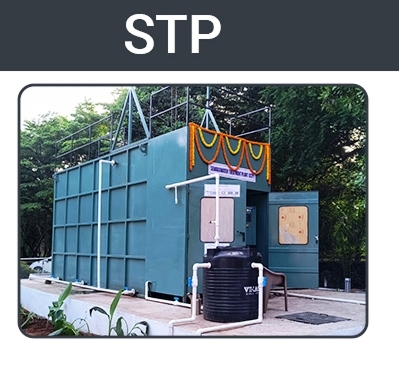
STP
A sewage treatment plant, also known as a wastewater treatment plant (WWTP), processes sewage water through a series of stages to remove pollutants and make it safe for discharge or reuse. These stages are typically categorized as preliminary, primary, secondary, and tertiary treatment, with a separate process for sludge treatment.
1. Preliminary Treatment:
Purpose: To remove large debris and grit that could damage equipment or interfere with downstream processes.
- Screening removing large objects like rags and trash
- Grit removal using chambers or channels to settle out sand and gravel
2. Primary Treatment:
Purpose: To separate settleable solids and floatable materials.
- Sedimentation: Wastewater is held in large tanks (clarifiers) where gravity causes solids to settle to the bottom forming sludge and lighter materials like oil and grease float to the top.
- Skimming: Floating materials are skimmed off the surface.
- Sludge Removal: Settled sludge is collected and sent for further treatment.
3. Secondary Treatment:
Purpose: To remove dissolved and suspended organic matter using biological processes.
- Aeration: Wastewater is mixed with air to encourage microorganisms to consume organic pollutants.
- Biological Reactors: Systems like activated sludge or trickling filters support biological degradation.
- Secondary Clarification: Microorganisms and solids settle out forming activated sludge.
4. Tertiary Treatment:
Purpose: To further purify water, including nutrient removal and disinfection.
- Filtration: Water passes through sand or membrane filters to remove remaining solids.
- Disinfection: Chlorine, UV light, or other methods kill remaining pathogens.
- Nutrient Removal: Nitrogen and phosphorus are removed through chemical or biological processes.
5. Sludge Treatment:
Purpose: To stabilize and reduce the volume of sludge from primary and secondary processes.
- Digestion: Sludge is treated with anaerobic bacteria to break down organic matter and produce biogas.
- Dewatering: Excess water is removed using centrifuges, belt presses, or drying beds.
- Disposal/Reuse: Treated sludge can be used as fertilizer, composted, or disposed of in landfills.