
ISO Certified: ISO 9001:2015

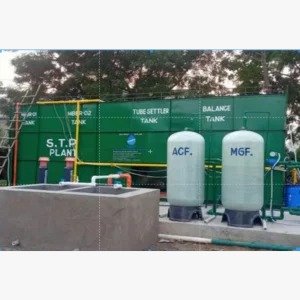
Sewage Treatment plant in Delhi NCR
There is a need for proper treatment of the wastewater generated by residential societies, commercial buildings, hotels, hospitals, and industries. As there is expansion in the cities and increase in the number of buildings in them, there is increase in sewage production due to their presence. Proper treatment is very much required in order to reduce pollution and reuse of water properly.
Sewage Treatment Plant in Delhi NCR is capable of treating wastewater that is generated by toilets, bathroom, kitchen and many other places in households and other commercial premises. The plant is able to use physical and biological methods in order to treat water and remove pollutants like suspended particles etc. Based upon the type of treatment provided, the quality of treated water will be able to serve for non-potable purposes like gardening, irrigation etc.
Watershed Aqua Engineers provide water treatment solutions and also show compact sewage and effluent treatment plants in its site. Other solutions include Industrial and commercial RO Plants, Packaged Drinking water plants and others. Visit Watershed Aqua Engineers now.
Sewage Treatment Plant – What is it?
A sewage treatment plant or an STP is an installation that treats wastewater prior to discharge or re-use. This is done using physical, biological, and chemical methods of treatment to reduce or remove contaminants.
The method of treatment is dependent upon the nature of sewage, flow of wastewater, space availability, and quality of treated water required.
For instance, residential colonies produce sewage as a result of day-to-day activities in homes, whereas the sewage produced by hotels and hospitals is quite different.
Why is it Necessary to Have a Sewage Treatment Plant in Delhi NCR?
Delhi NCR consists of residential townships, offices, commercial buildings, educational institutions, hospitals, hotels, and industries. All these produce large amounts of wastewater daily.
Setting up a proper Sewage Treatment Plant in Delhi NCR could assist organizations to utilize the wastewater properly.
1. Reduce Water Contamination
Sewage wastewater contains organic waste, solids, and microbes. Discharging the sewage without proper treatment can cause contamination of water resources and damage the surrounding ecosystem. An STP assists in reducing the contaminants.
2. Assist in Recycling of Water
The treated sewage will be helpful in recycling the water for various uses. The treated sewage can be reused for watering plants, flushing toilets, cleaning floors, and some cooling systems.
3. Helps Achieve Environmental Regulations
Both companies and residential complexes need to conform to the environmental regulations related to wastewater treatment and recycling. A properly built and managed STP can assist in fulfilling the necessary regulations through frequent testing and maintenance.
4. Enhances Wastewater Treatment
An STP allows buildings to collect and process sewage on-site. This strategy will help create an organized method of wastewater treatment and minimize reliance on any external methods of disposal.
5. Promotes Sustainability of Water Supply
Water recycling will decrease the amount of water used from natural sources if the processed water fulfills the criteria for its future usage. Hence, sewage treatment can become one of the components of sustainable water usage.
Uses of Sewage Treatment Plant
Sewage Treatment Plant Manufacturer in Delhi NCR may cater to various projects based on the offerings and technology they possess.
Residential Societies and Apartments
The residential society produces sewage from kitchen, toilet, bathroom, and laundry use. If the sewage treatment plant capacity is suitable for the generated sewage, then water could be reused.
Hotels and Restaurants
Hotels and restaurants need good management of sewage because of high water consumption in such places. A sewage treatment plant would help in managing sewage and reuse of water for appropriate purposes.
Hospitals and Healthcare Centers
Hospitals create sewage because of particular activities they conduct. The sewage treatment plant should be designed in accordance with the healthcare facility's wastewater standards.
Commercial Buildings and Offices
Commercial buildings like office buildings, malls, and parks create sewage from washrooms, canteen, and other facilities. Small sewage treatment plants may help in wastewater management in these buildings.
How Does a Sewage Treatment Plant Function?
An average STP applies various techniques to increase wastewater quality. The specific sequence of actions is based on the technology choice and project needs.
Step 1: Screening
Screening eliminates big components from the wastewater, such as plastics, cloth, and other waste items. This technique prevents clogging of pumps and other equipment located further downstream.
Step 2: Equalisation
Equalisation is carried out in an equalization tank that is used to stabilize the variability of wastewater parameters. As a consequence, the next stages of treatment receive a more uniform wastewater flow.
Step 3: Biological Treatment
Biological treatment is the breakdown of organic contaminants by means of microorganisms. Based on the design specifics of the plant, MBBR, SBR, and MBR can be utilized.
Step 4: Solid-Liquid Separation
Solid-liquid separation is achieved through clarification, membrane filtration, or some other technique.
Step 5: Filtration and Disinfection
Further filtration and disinfection are applied for additional treatment of water. The required procedure is determined by the final destination of treated wastewater.
Step 6: Treated Water Re-use or Discharge
A quality check is performed on the treated water to determine if it qualifies based on the necessary quality criteria. It is then re-used or discharged.
How to Select the Ideal STP
The choice of STP involves more than just determining the amount of daily sewage water. Some considerations that organizations and property owners must take into account are:
Capacity: The volume of wastewater produced on average and at peak times.
Technology: Compare the different systems that work best for your needs, such as MBBR, SBR, and MBR.
Space: Determine the space available for the installation and maintenance of the system.
Uses for treated water: Whether the treated water is intended for use in toilet flushing, gardening, etc.
Operational costs: Cost of electricity, chemicals, sludge, and maintenance.
Automation: This includes control panels, alarms, and monitoring systems.
Technical Service: Availability of installation services, spare parts, and maintenance.
The technical evaluation helps determine which system suits the site's need.
Why Choose Watershed Aqua Engineers?
As per the official website of Watershed Aqua Engineers, the company has been in the business of water treatment from the year 2005 onwards. Some of the water treatment plants offered by the firm include industrial & commercial RO plants, packaged drinking water plants, institutional RO plants, and compact sewage & effluent treatment.
People looking out for Sewage Treatment Plant in Delhi NCR can get in touch with the firm to know about their project needs, amount of waste water, etc.
Prior to taking any decision regarding the project, the client should confirm about the capacity of STP, process used, scope of installation and other related things.
Tips on STP Maintenance for Good Performance
Routine maintenance keeps the treatment process running smoothly and avoids any unnecessary mechanical breakdowns.
- Check the pumps, blowers, and electrical systems.
- Ensure screenings are cleared out and deal with sludge.
- Check aeration and flow rates, as well as performance of the treatment process.
- Clean the filters and membranes in accordance with the manufacturer’s instructions.
- Conduct tests for treated water at regular intervals.
- Maintain maintenance records and arrange servicing.
In addition, the operators need to operate the system in line with the recommended procedure.
Conclusion
A sewage treatment plant is a vital component of modern water management. It aids in reducing pollution, promotes responsible water recycling, and makes it possible for residences, industries, and businesses to treat sewage better.
While selecting Sewage Treatment Plant in Delhi NCR, it is necessary to keep in mind treatment capacity, technology used, space required for installation, cost of operation, and quality demands of the water that needs to be treated.
Watershed Aqua Engineers provides a variety of water treatment products, and also mentions compact sewage and effluent treatment plants on their site. Get in touch with the company to get more information about the product best suited to your needs.